Laser Hair Removal
A medical laser treatment designed to reduce unwanted hair by targeting melanin within the hair follicle.
What is Laser Hair Removal?
Laser Hair Removal is a medical laser treatment designed to reduce unwanted hair by targeting melanin within the hair follicle. The laser delivers controlled energy into the follicle, generating heat that disrupts the structures responsible for hair growth while minimising damage to the surrounding skin.
At a glance
- Treatment time
- 15–60 min
- Downtime
- Minimal to no downtime
- Sessions
- 6–10+ sessions
- Indications
- Unwanted hair, ingrown hairs & long-term hair reduction
The number of treatments required varies depending on the treatment area, hair colour, hair thickness, skin type, hormonal factors and individual response to treatment.

What areas can Laser Hair Removal treat?
Laser Hair Removal can be performed on most areas of the body, including:
- 01Face
- 02Neck
- 03Underarms
- 04Arms
- 05Legs
- 06Bikini
- 07Brazilian
- 08Chest
- 09Back
- 10Shoulders
- 11Abdomen
Treatment suitability will depend on the colour and characteristics of the hair and the treatment area.
What is involved in Laser Hair Removal?
Before treatment, your skin and hair are assessed to determine the appropriate laser settings for your skin type and hair characteristics.
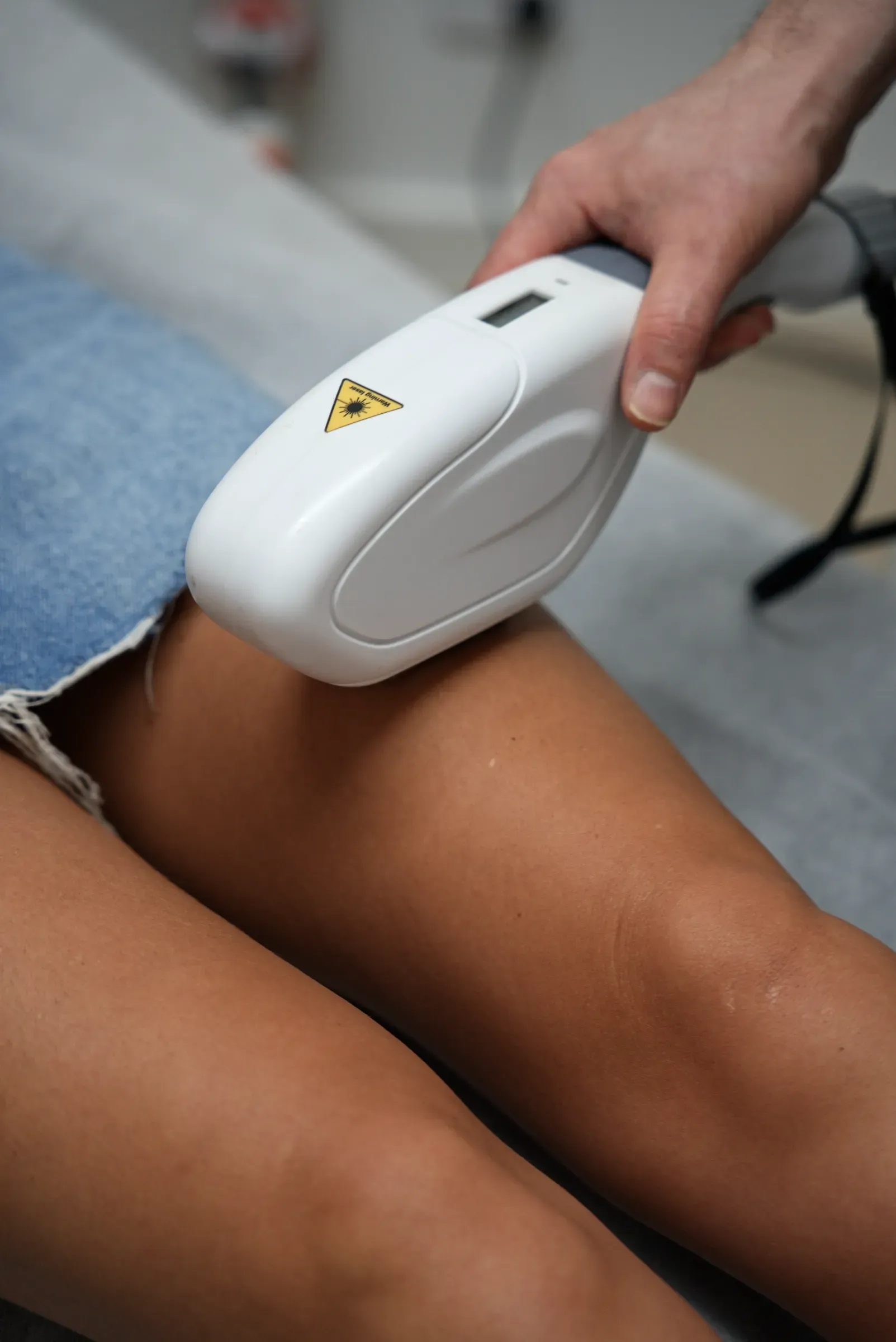
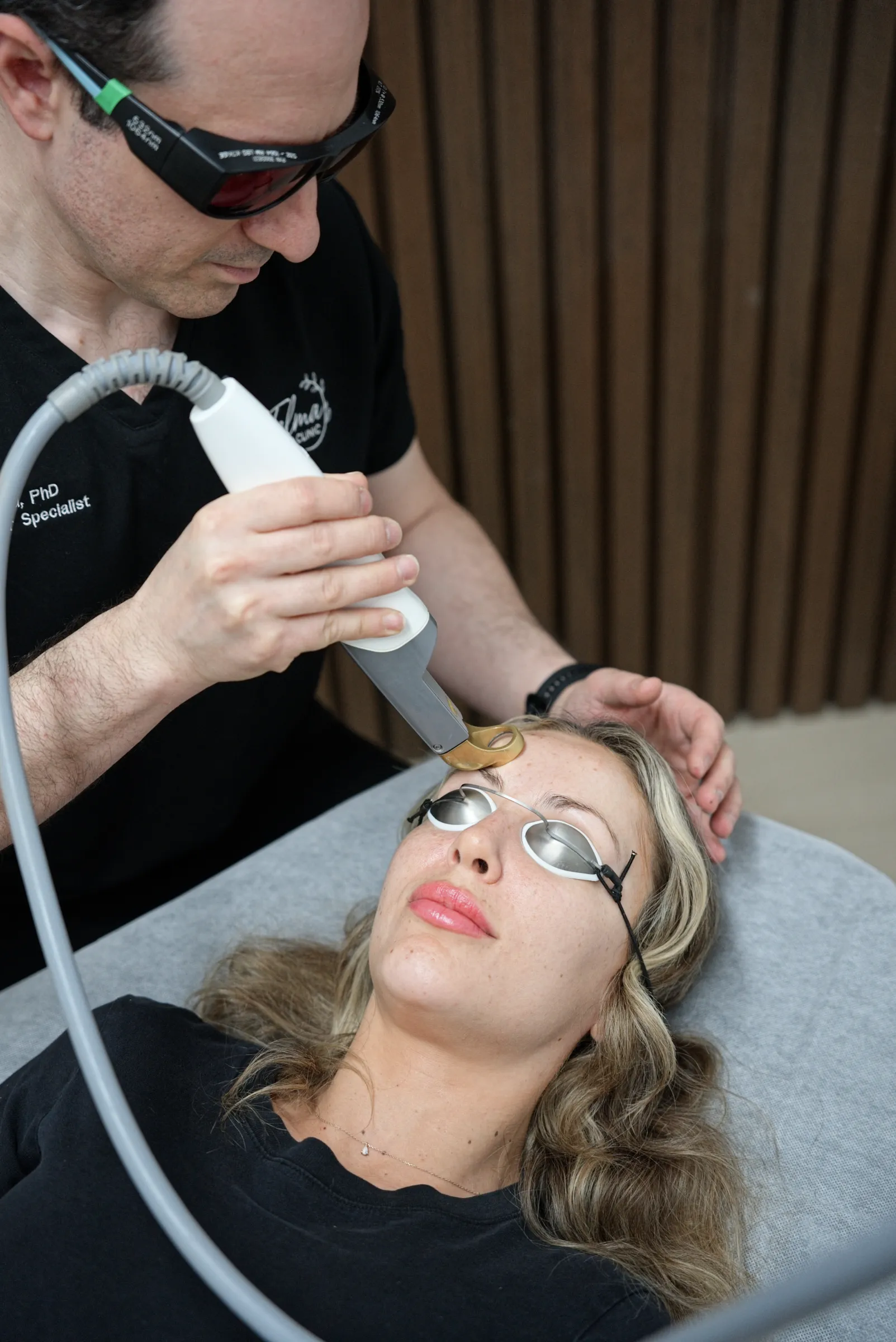
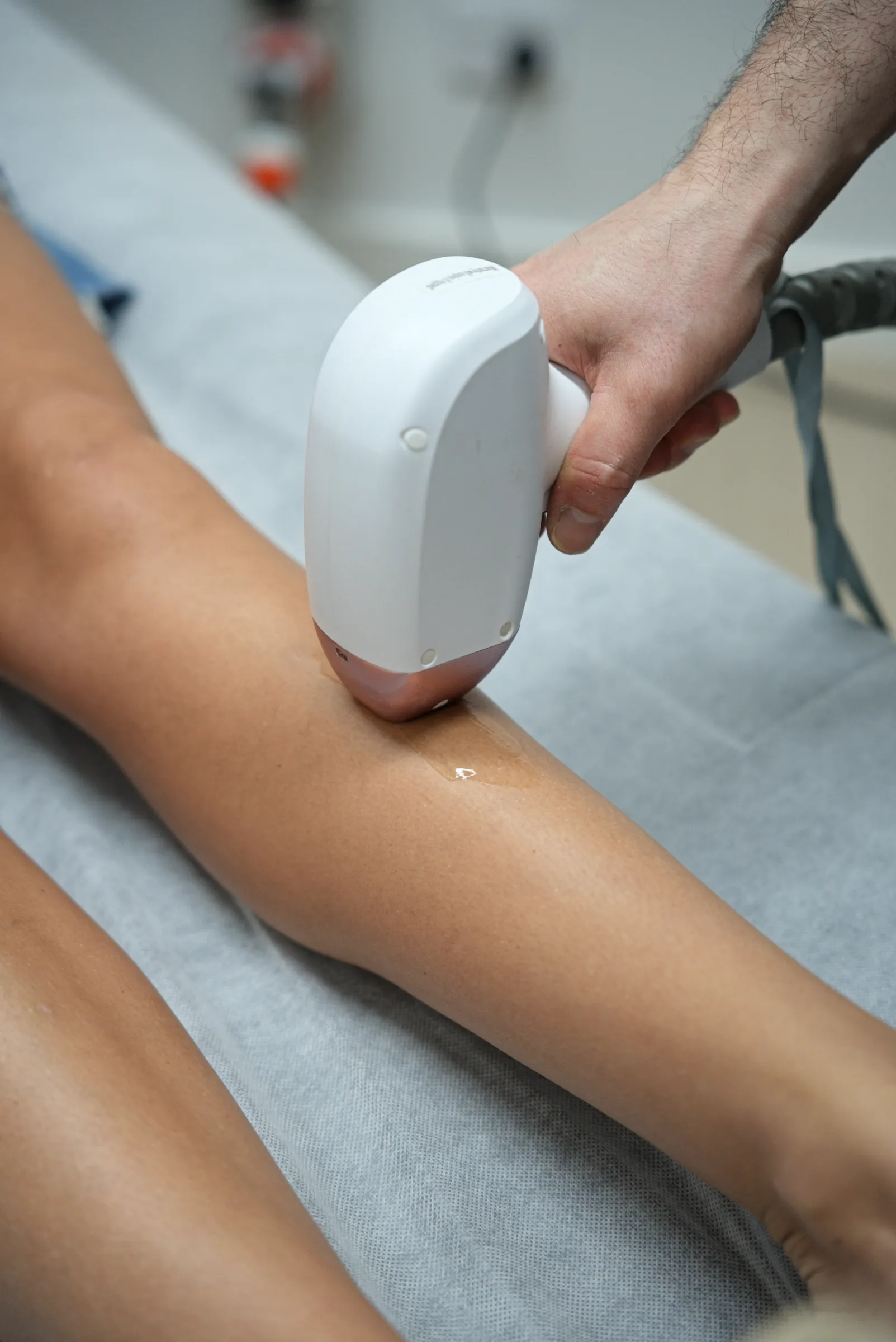
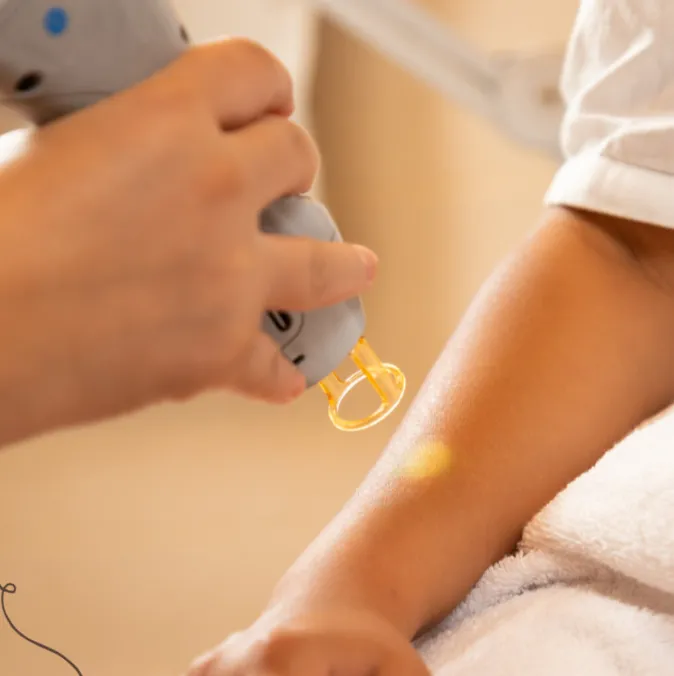
The treatment area is cleansed and the laser handpiece is applied systematically to the skin. The laser delivers controlled pulses of energy that are absorbed by the pigment within the hair follicle.
You may experience a warm or snapping sensation during treatment. Cooling may be used to improve comfort and protect the surrounding skin.
Immediately afterwards, the treated follicles may appear slightly red or raised. This is a common temporary response and generally settles within a short period.
How can Laser Hair Removal improve your concerns?
Laser energy is absorbed by melanin within the hair shaft and follicle. The absorbed energy is converted into heat, which disrupts the follicular structures responsible for hair growth.
As hairs enter their active growth phase at different times, repeated treatments are required to target successive cycles.
Over a course of treatments, hair typically becomes less dense, finer and slower-growing, resulting in significant long-term hair reduction.
Laser hair removal may also help reduce the frequency of shaving and can improve concerns associated with frequent shaving, including irritation and ingrown hairs.

How to prepare for Laser Hair Removal
- 01
Avoid waxing, plucking or epilating the hair before treatment, as the follicle needs to remain intact for the laser to target it.
- 02
Shave the treatment area as advised before your appointment.
- 03
Protect from the sun
Avoid tanning and significant sun exposure before treatment.
- 04
Protect from the sun
Apply SPF 50+ to exposed treatment areas.
- 05
No recent tanning
Do not attend treatment with sunburn or recently tanned skin.
- 06
Avoid applying deodorant, perfume or irritating products to the treatment area on the day of treatment where applicable.
- 07
Share your history
Inform your clinician about medications, skincare products and recent cosmetic or laser treatments.
- 08
Flag any skin changes
Advise your clinician if you have any active skin irritation, infection or lesions in the treatment area.
After your treatment
Mild redness, warmth or swelling around the hair follicles may occur immediately after treatment.
Keep the treated area clean and avoid unnecessary rubbing or irritation.
Avoid excessive heat, hot showers, saunas and strenuous exercise for the period advised by your clinician.
Avoid waxing, plucking or epilating between laser treatments. Shaving is generally appropriate.
Avoid direct sun exposure and apply SPF 50+ to exposed areas.
Do not pick or scratch any irritated areas.
Follow any individual aftercare instructions provided by your clinician.
What can be done to complement Laser Hair Removal?
Laser Hair Removal can be incorporated into a broader skin-management plan, particularly for patients who experience irritation or ingrown hairs associated with shaving or other hair-removal methods.
Your clinician may also recommend appropriate skincare to help maintain the health and comfort of the treated skin.
Frequently asked questions.
Anything not covered here is best discussed in your consultation.
Laser hair removal is best described as long-term hair reduction, rather than guaranteed permanent removal. Most patients experience a significant reduction in hair growth following a complete treatment course, although maintenance treatments may be required.
Most patients require approximately 6–10 or more treatments. The exact number varies depending on the treatment area, hair characteristics, skin type, hormonal factors and individual response.
Laser energy is most effective when the hair is in its active growth phase. Because not all hairs are actively growing at the same time, multiple treatments are required to progressively target different growth cycles.
Laser hair removal relies on pigment within the hair to absorb the laser energy. It is therefore generally less effective on very light blonde, white, grey or red hair.
Most patients describe the sensation as a brief snapping, warmth or rubber-band-like feeling. Cooling technology can help improve comfort during treatment.
Yes. By reducing hair growth, laser hair removal can reduce the frequency of shaving-related irritation and ingrown hairs in suitable patients.
Yes. Shaving is generally recommended between treatments. Waxing, plucking and epilating should be avoided because they remove the hair from the follicle.
Recent tanning can increase the risk of adverse skin reactions because the laser interacts with melanin. Treatment may need to be postponed until the tan has sufficiently faded.
Treatment intervals vary according to the treatment area and individual hair-growth cycle. Your clinician will recommend an appropriate interval to target the next active growth phase.
Yes, laser hair removal can be performed on selected facial areas. Facial hair can be more hormonally influenced, so results and the number of treatments required can vary between individuals.
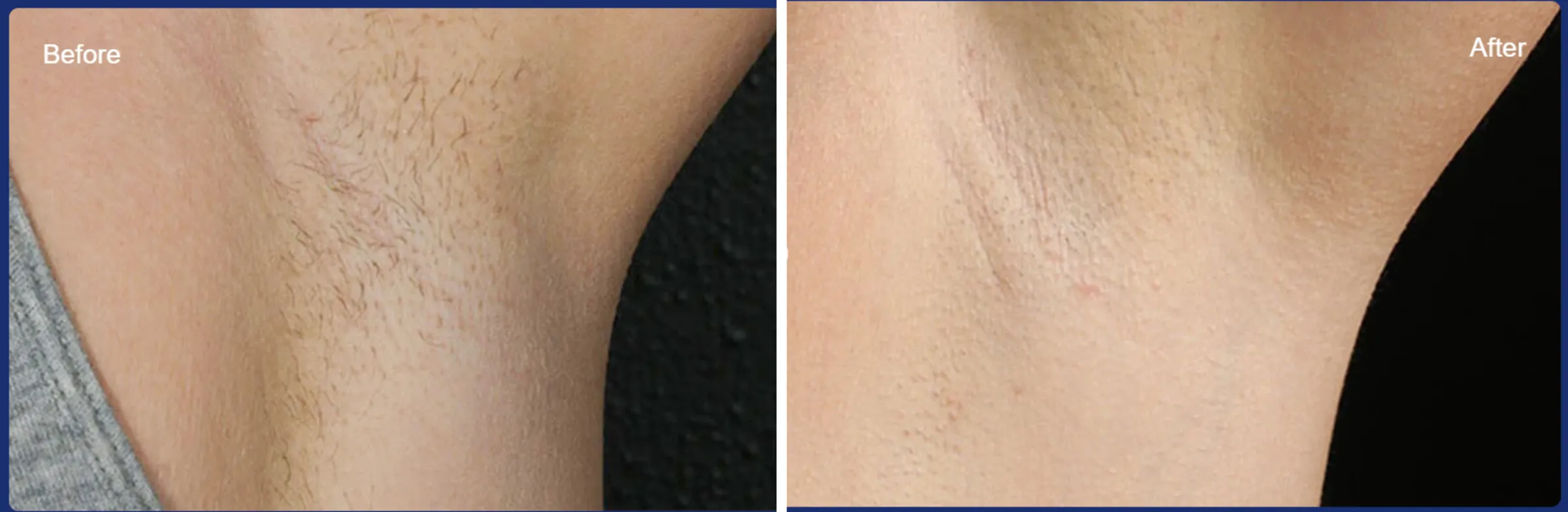
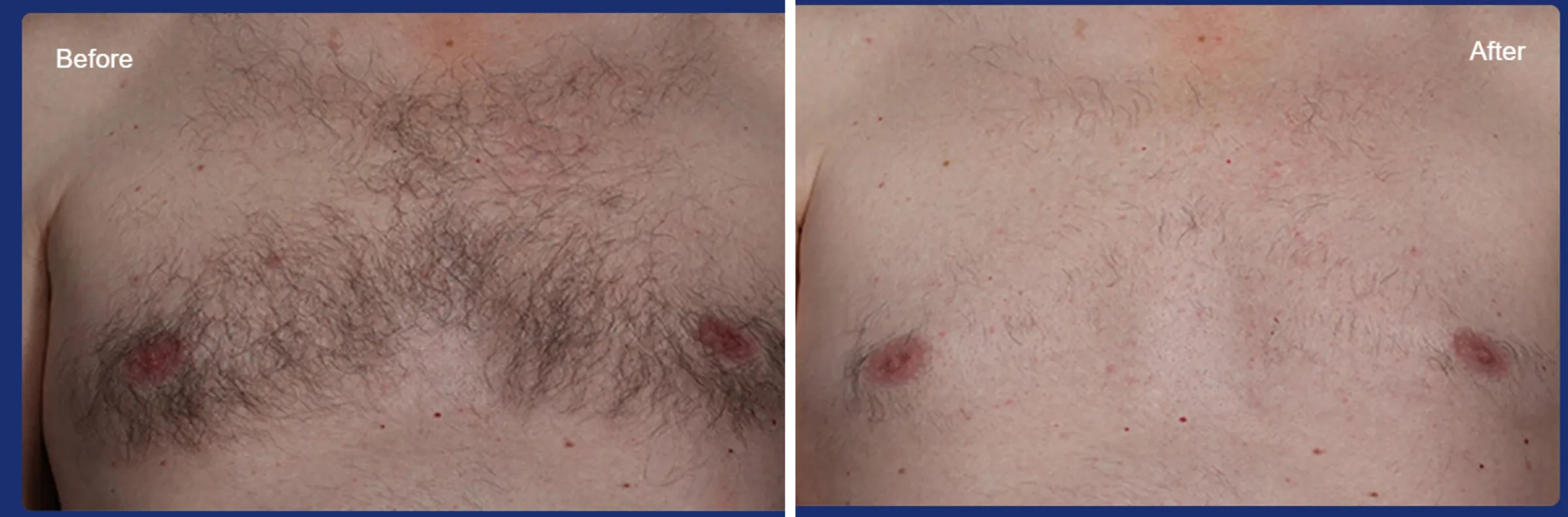
Before & after photos.
Individual results vary. Suitability and expected outcomes are discussed in consultation.
01 / 02
Assessment comes first.
Book a consultation- Nothing on this page is a diagnosis, and no treatment is recommended before you have been seen.
- Suitability depends on your skin, your history and your medications, which is what the consultation is for.
- If a concern is changing, painful, bleeding or new, have it assessed by a doctor rather than treated cosmetically.