Scarring
At Telma Medical Skin Clinic, we understand that scarring can affect both the appearance of your skin and your confidence. Whether you are concerned about acne scars, uneven skin texture, surgical scars or other types of scarring, our personalised treatment approach is designed to improve the appearance of scars and support smoother-looking skin.
What causes scarring?
Scarring occurs when the skin repairs itself following injury or inflammation. During the healing process, the body produces collagen to rebuild the affected area. If collagen is produced unevenly or in excess, the resulting scar may appear raised, indented or different in colour and texture from the surrounding skin.
Scarring can develop following acne, surgery, injuries, burns or other skin conditions. The type, depth, age and location of a scar all influence which treatments may be suitable.
Recommended treatments
Treatment pricing
From $99
Types of scarring
- 01
Acne scarring
Acne scars can develop following inflammatory breakouts that damage the deeper layers of the skin. They may appear as small depressions, uneven texture or raised areas. Treatments that stimulate collagen production may help improve the appearance of selected acne scars over time.
- 02
Atrophic scars
Atrophic scars are indented scars that form when insufficient collagen is produced during healing. They are commonly associated with acne and may appear as shallow depressions or deeper pits. Selected resurfacing and collagen-stimulating treatments may help improve skin texture and reduce their appearance.
- 03
Hypertrophic scars
Hypertrophic scars are raised scars that develop when excess collagen forms during healing. They generally remain within the boundaries of the original injury. These scars require careful assessment, as resurfacing lasers may not be the most appropriate first-line option for every case.
- 04
Surgical and injury scars
Scars following surgery, cuts or other injuries can vary in colour, thickness and texture. Once fully healed, certain scars may benefit from treatments aimed at improving their appearance. Suitability depends on the scar's age, depth, location and characteristics.
- 05
Uneven skin texture
Scarring may leave the skin looking rough, uneven or irregular. Selected skin resurfacing treatments may help improve texture by encouraging skin renewal and collagen remodelling.
Recommended treatments.
Suitability is confirmed in consultation, once your skin has been assessed.

The benefits of professional scar treatments
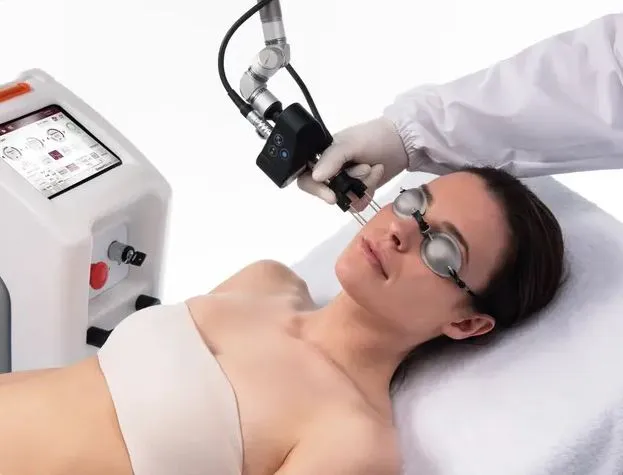
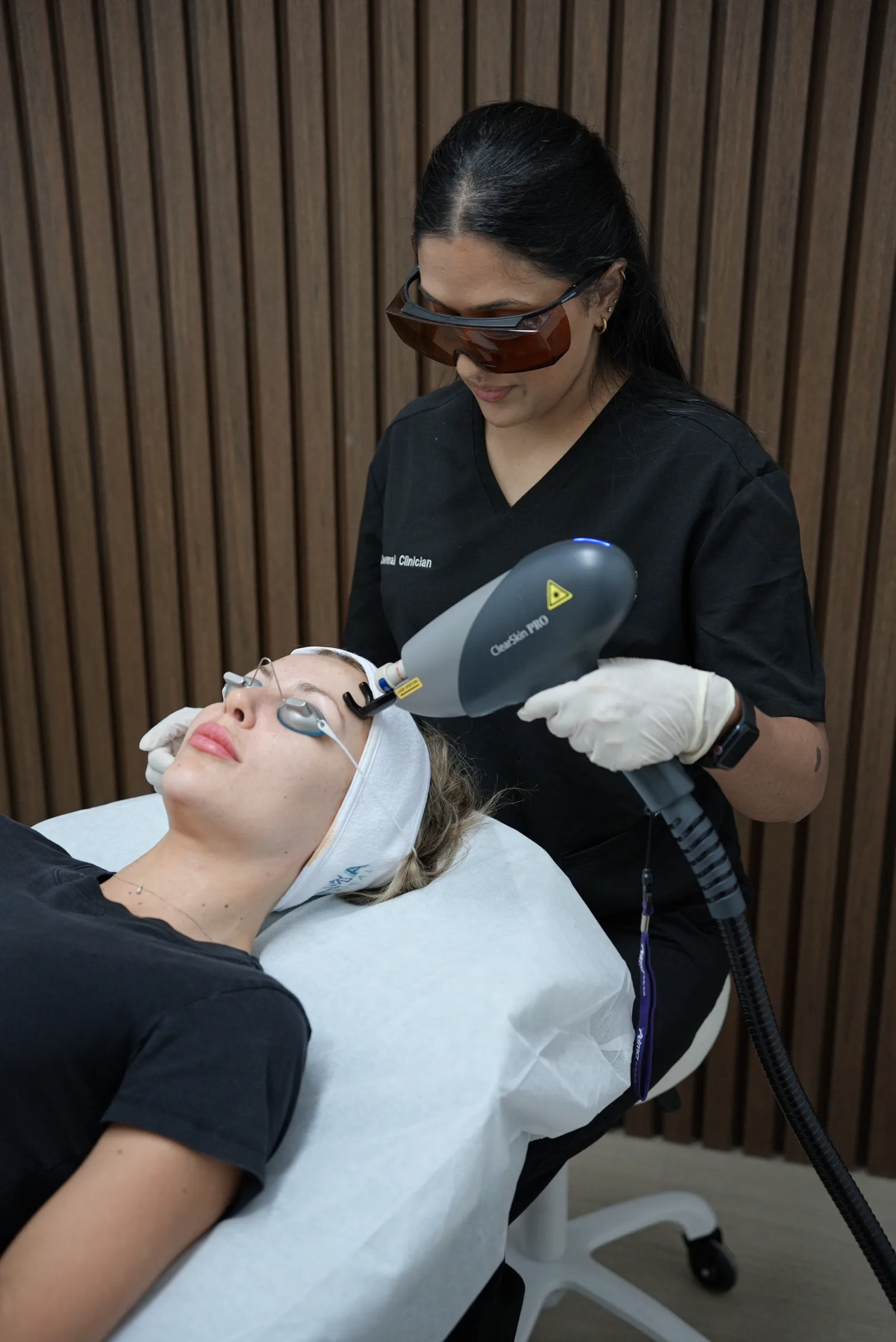
A personalised treatment plan may help to:
Improve the appearance of selected acne scars.
Reduce the visibility of uneven skin texture.
Stimulate collagen production and remodelling.
Improve the appearance of certain superficial scars.
Promote a smoother-looking and more even skin surface.
Support long-term skin quality through appropriate skincare.
Results vary depending on the scar type, depth, age, skin type and treatment selected. Scar treatments generally improve the appearance of scars rather than remove them completely, and multiple sessions may be required.
Assessment comes first.
Book a consultation- Nothing on this page is a diagnosis, and no treatment is recommended before you have been seen.
- Suitability depends on your skin, your history and your medications, which is what the consultation is for.
- If a concern is changing, painful, bleeding or new, have it assessed by a doctor rather than treated cosmetically.