Pigmentation
At Telma Medical Skin Clinic, we understand that pigmentation can affect the appearance of your skin and your confidence. Whether you are concerned about sunspots, melasma, age spots or post-inflammatory pigmentation, our personalised treatment approach is designed to improve uneven skin tone and promote a brighter, more balanced complexion.

What is pigmentation?
Pigmentation occurs when melanin, the pigment responsible for skin colour, is produced unevenly, resulting in dark spots or patches. It can be caused by sun exposure, hormonal changes, inflammation or ageing.
What causes pigmentation?
Pigmentation occurs when melanin, the natural pigment responsible for skin colour, is produced or distributed unevenly within the skin. Excess melanin can lead to darker patches or spots that appear on the face and body.
Pigmentation can develop due to sun exposure, hormonal fluctuations, inflammation or the natural ageing process. The type, depth and underlying cause of pigmentation influence which treatments may be suitable. Correct identification is essential, as some forms of pigmentation can worsen with inappropriate treatment or excessive skin irritation.
Types of pigmentation we address
- 01
Sunspots and age spots
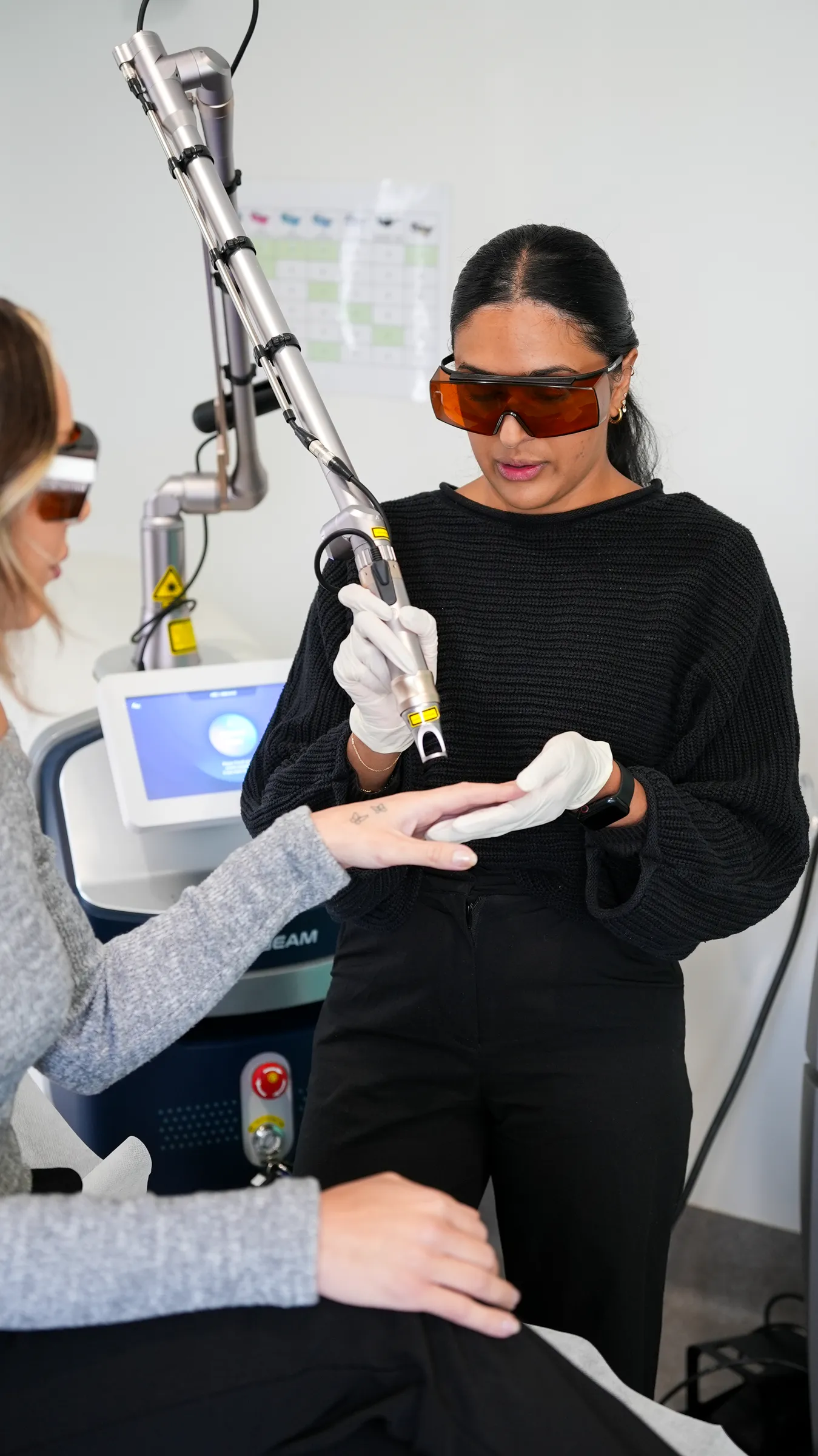
Sunspots, also known as solar lentigines, develop following cumulative exposure to ultraviolet radiation. They commonly appear as flat, brown patches on areas frequently exposed to the sun, including the face, hands, chest and shoulders. Selected pigment-targeting treatments may help reduce their appearance and promote a more even skin tone.
- 02
Melasma
Melasma is a pigmentation condition characterised by brown or grey-brown patches, most commonly appearing on the cheeks, forehead, upper lip and chin. It is often associated with hormonal influences and can be aggravated by ultraviolet light, visible light and heat. Melasma requires careful management, as some laser treatments may worsen pigmentation or trigger recurrence in susceptible individuals.
- 03
Post-inflammatory hyperpigmentation
Post-inflammatory hyperpigmentation (PIH) occurs when the skin produces excess melanin following inflammation or injury. It may develop after acne, skin irritation, burns or certain cosmetic procedures. The marks can appear brown, dark brown or grey, depending on the depth of the pigment and individual skin characteristics.
- 04
Uneven skin tone
Uneven skin tone can result from a combination of sun exposure, residual pigmentation, inflammation and age-related changes. A tailored treatment plan may help improve skin clarity and reduce the appearance of discolouration.
Recommended treatments.
Suitability is confirmed in consultation, once your skin has been assessed.
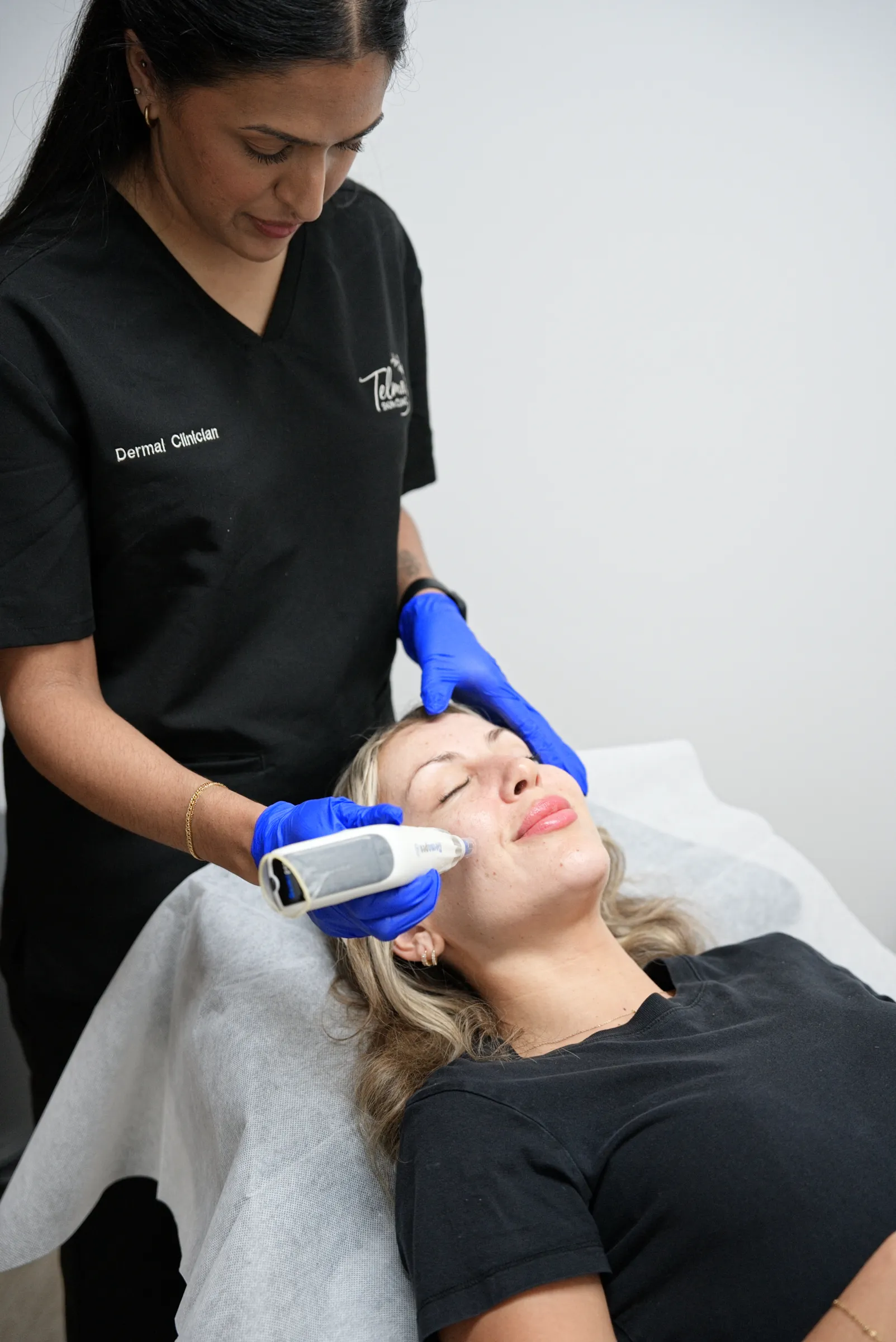

The benefits of professional pigmentation treatments
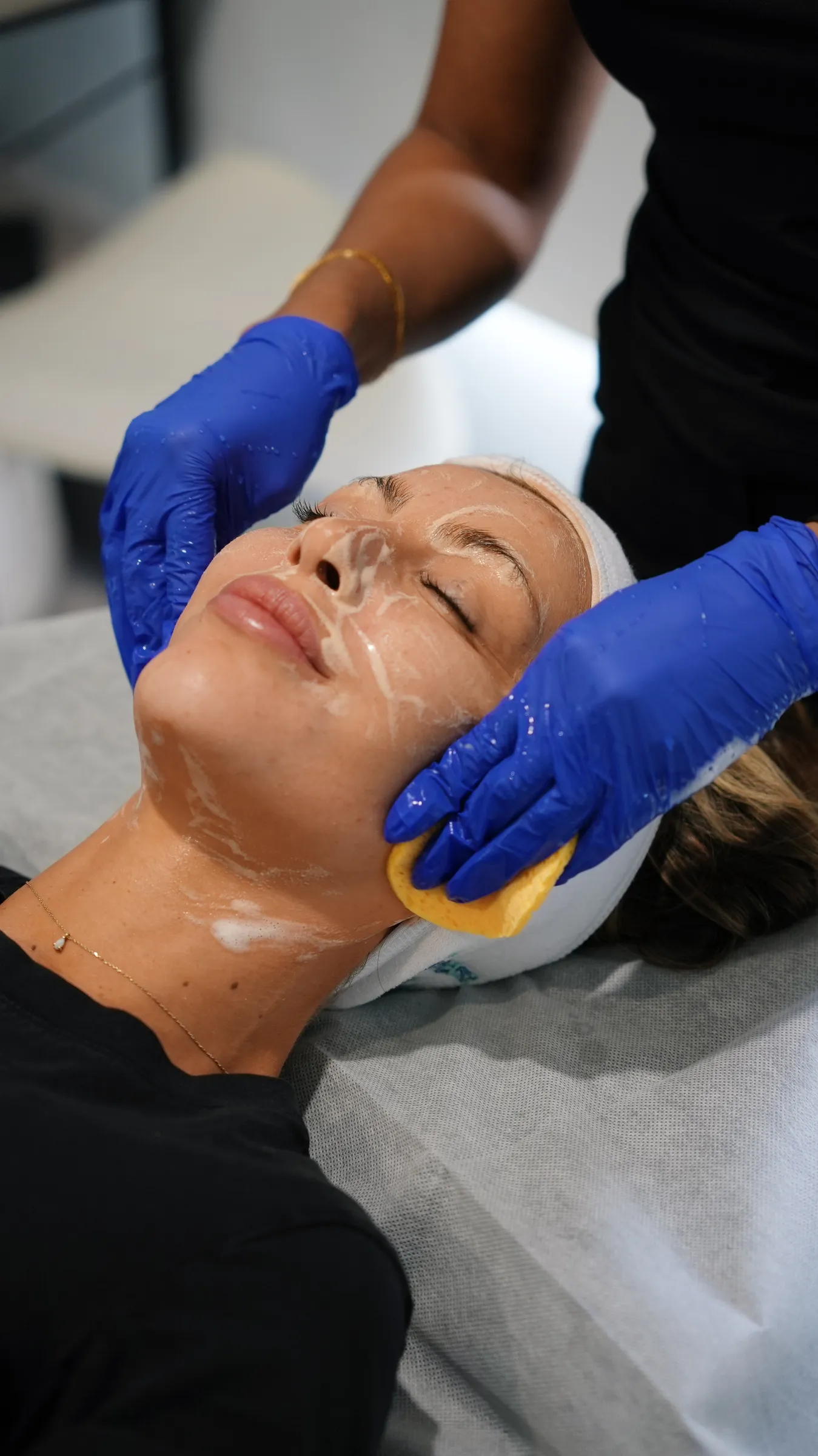
A personalised treatment plan may help to:
Reduce the appearance of selected sunspots and age spots.
Improve the appearance of post-inflammatory hyperpigmentation.
Promote a brighter and more even-looking skin tone.
Reduce the visibility of certain areas of discolouration.
Support skin clarity through targeted professional skincare.
Help minimise the recurrence of pigmentation through appropriate maintenance and sun protection.
Results vary depending on the type, depth and cause of pigmentation, skin type and treatment selected. Some conditions, particularly melasma, may require ongoing management to maintain improvements. Multiple sessions may be needed, and not all pigmentation is suitable for laser treatment.
Assessment comes first.
Book a consultation- Nothing on this page is a diagnosis, and no treatment is recommended before you have been seen.
- Suitability depends on your skin, your history and your medications, which is what the consultation is for.
- If a concern is changing, painful, bleeding or new, have it assessed by a doctor rather than treated cosmetically.